Data you can rely on, straight from the source
With Data Virtualization, municipalities can combine data directly from the source. Analyses and reports are always based on the most up-to-date information. No complex ETL processes or unnecessary copies, but a single transparent layer that makes data accessible. This fits perfectly with Common Ground and helps municipalities work more efficiently and securely.

Why you should stop copying your data
Many municipalities retrieve data, create local copies, and refresh them periodically. This is costly, error-prone, and often not up to date. For reporting, analysis, policymaking, and service delivery, it leads to delays and risks.
With Data Virtualization, you use data directly from the source systems. You reduce overhead, avoid duplicate infrastructure, and prevent inconsistencies.
No more outdated datasets or conflicting Excel files, everyone works from the same source.
Perfectly aligned with the principles of Common Ground. Data stays where it belongs: with the owner. Transparent and secure.
By eliminating unnecessary copies, you save on storage, management, and licensing costs.
With one integrated view across all domains (social, spatial, financial), administrators and policymakers can respond faster and more effectively to current developments.
Why choose Data Virtualization?
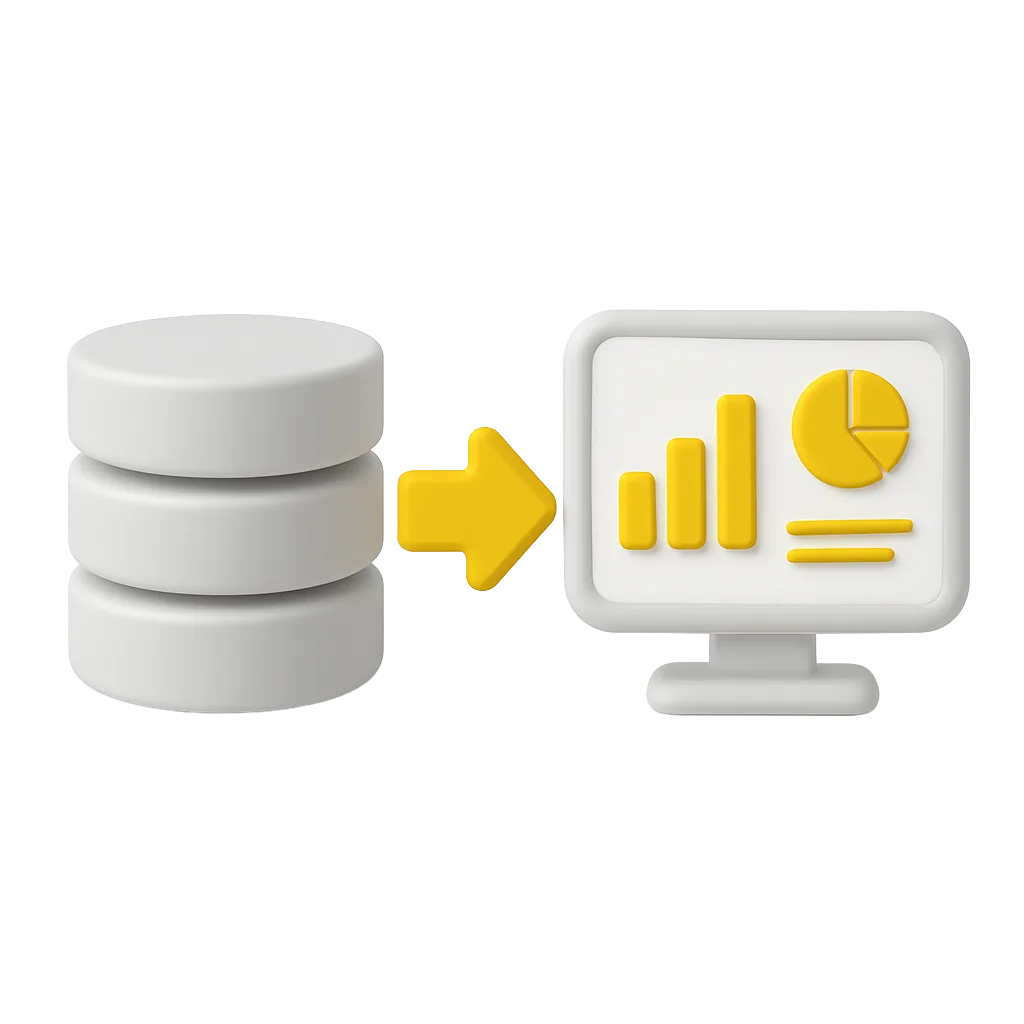
How does Data Virtualization work?
The data virtualization layer, built on Apache Drill, queries your source systems directly. Core registries, case management systems, or financial applications can all be accessed through a single virtual layer. Reporting tools such as Power BI, Cognos, or Tableau then work directly with the live data.
- Virtual middle layer: combine datasets without copying
- Real-time integration: always up to date
- Scalable and open: easily add new sources
These municipalities are already using Data Virtualization
View all 11 case studies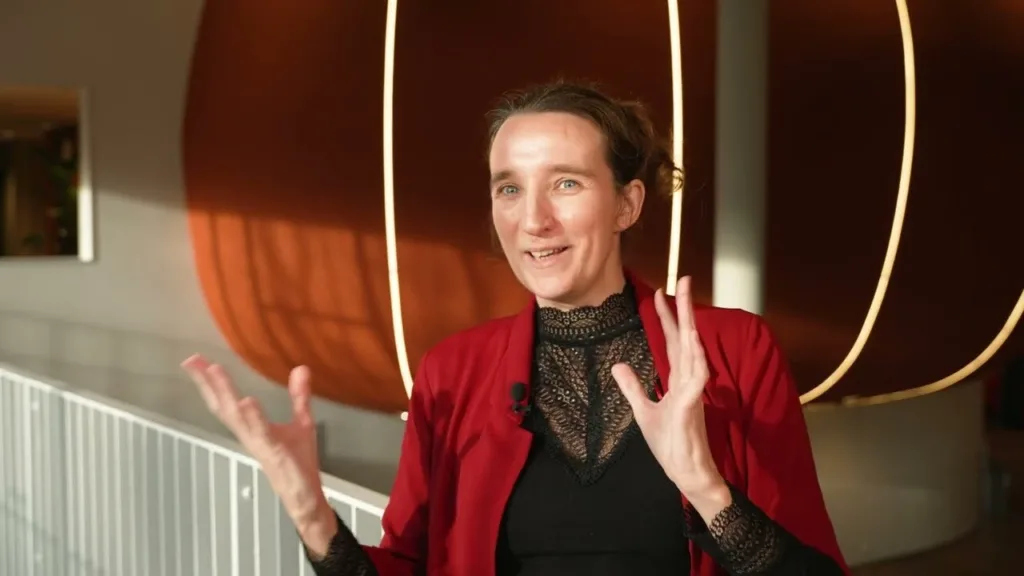
Ready to see it in action?
Are you interested in up-to-date data without copies and without complex migration projects? We would be happy to show you how Data Virtualization works in your organization.